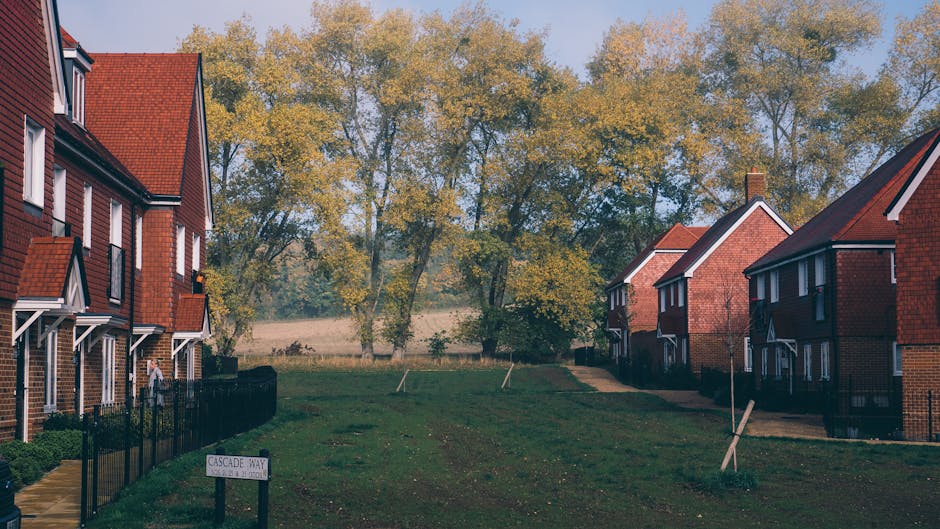
Gardeners for Fairlop Waters Homes Quick Tidy and Planting
If your garden has drifted into that awkward middle ground - not quite a mess, not quite something you feel proud of - a quick tidy and planting visit can make a surprisingly big difference. For Fairlop Waters homes, that usually means a focused reset: clearing the obvious clutter, sorting the edges, shaping the space, and planting a few well-chosen additions that instantly lift the look and feel of the garden. It is the kind of job that sounds simple, but done well, it changes how you use the space every day.
This guide explains what Gardeners for Fairlop Waters homes quick tidy and planting actually involves, how the process works, what good results look like, and how to avoid the common mistakes that leave a garden looking half-finished. Along the way, you will also find practical tips, a comparison table, a real-world example, and a checklist you can use before booking anything in. Straightforward stuff, but useful. Let's face it, most people do not need a full redesign; they need the garden to look cared for again.
Why Gardeners for Fairlop Waters Homes Quick Tidy and Planting Matters
A quick tidy is not just about making a garden look neat for a weekend. It is about restoring order before weeds, overgrowth, and neglected corners start to dominate the space. In Fairlop Waters, where many homes balance compact plots, family use, and changing weather, a garden can look tired fast if it is left alone for even a short stretch. One windy week, a few wet days, and suddenly the patio has leaves, the borders are sagging, and the lawn looks patchy. Happens all the time.
What makes this service valuable is the combination of speed and visible impact. You are not committing to a major landscaping project. You are choosing a focused, practical intervention that clears the visual noise and adds life through planting. That matters for kerb appeal, day-to-day enjoyment, and even how manageable your garden feels. A small border planted well can change the whole mood of the space. Honestly, that first tidy-up often does more than people expect.
There is also a wider maintenance angle. Tidy gardens are easier to keep healthy, and healthy gardens are easier to improve later. If you leave weeds, dead stems, or compacted areas unchecked, the next job becomes harder and more expensive. A smart quick tidy creates a clean starting point. For many homeowners, that is the difference between "we should do something with the garden" and actually enjoying it again.
For more on keeping outdoor spaces under control between visits, it can help to look at regular garden maintenance and a broader range of gardening services that support the longer game.
How Gardeners for Fairlop Waters Homes Quick Tidy and Planting Works
The best quick tidy and planting jobs follow a simple logic: clear, shape, refresh, then plant. The work is usually designed around the condition of the garden, the season, and how much time is available on site. A good gardener does not start by reaching for the shears everywhere. They look first. What needs removing? What can be rescued? What should be planted now, and what should wait?
In practice, the process often begins with light-to-moderate clearance. That can include leaves, loose debris, spent flowers, small weeds, twigs, and anything making the garden feel untidy. Borders are edged, paths are brushed down, and overgrown sections are trimmed back enough to restore shape without shocking the plants. If a lawn is part of the space, a tidy might include a quick mow and a clean perimeter so the whole garden reads as intentional rather than accidental.
Planting comes next, and it should be more than "put a few plants in the ground and hope for the best." Good planting takes account of light, drainage, soil condition, colour balance, and how the space is used. A shady corner near a fence needs different thinking from a sunny front strip or a narrow side return. Sometimes the smartest move is to plant low-maintenance structure first, then fill in with seasonal colour. Other times, a few evergreen plants give the garden backbone straight away.
If the space is awkward, you can pair the tidy with ideas from container gardening or calm garden design ideas to create a cleaner look without major construction. That is especially helpful when you want a quick win rather than a long project.
And yes, good gardeners do think about the boring bits too: disposal of green waste, safe use of tools, access to water, and whether the planting needs protection from pets or weather. Boring, maybe. Necessary, absolutely.
Key Benefits and Practical Advantages
The obvious benefit is visual improvement. A garden that looked cluttered on Monday can look noticeably fresher by the end of the visit. But the real value goes a bit deeper than that.
- Immediate curb appeal: Tidy edges, clean beds, and fresh planting make the home feel cared for.
- Less ongoing effort: A garden brought back under control is easier to maintain week to week.
- Better plant performance: New planting can fill gaps, improve structure, and support healthier growth patterns.
- Improved use of the space: Once the clutter is gone, patios, paths, and seating areas become more inviting.
- Seasonal flexibility: The work can be adapted for spring refreshes, summer tidy-ups, autumn clean-downs, or pre-sale presentation.
There is another advantage people sometimes miss: confidence. When the garden feels manageable, you are more likely to use it. That sounds small, but it matters. Suddenly the back door stays open a bit longer, the kids play outside, or you have somewhere pleasant to drink tea in the early evening. Tiny thing, big effect.
For ongoing aesthetics, many homeowners also build around plants that offer quick coverage or strong visual impact. Useful reading includes ground cover ideas, fast-growing privacy hedges, and shade-friendly evergreen climbers.
Who This Is For and When It Makes Sense
This kind of service suits a lot more people than you might think. It is not only for households with seriously neglected gardens. In fact, a quick tidy and planting visit is often most useful when the garden is nearly there, but just needs professional attention to tip it back into shape.
You may be a good fit if:
- You have just moved in and want the garden to feel usable quickly.
- You are preparing the home for sale or for viewings.
- The garden has become patchy, overgrown, or uneven after a busy season.
- You want seasonal colour without committing to a bigger redesign.
- You have a rental property and need the outside space kept presentable.
- You prefer practical improvements over large landscaping works.
It also suits homeowners who know what they want from the space, but not necessarily how to get there. Maybe the borders are bare. Maybe there is too much weed growth. Maybe the patio looks bare and the side return is just a dead zone. That is exactly where quick tidy work earns its keep. The job is not to reinvent everything. It is to make the garden feel sorted, useful, and alive again.
If your priority is faster improvement than full redesign, a combination of neat-up work and modest planting is often a sweet spot. For people looking for a broader uplift, a garden makeover approach can be a sensible next step later on. No rush. One step at a time.
Step-by-Step Guidance
If you are arranging a quick tidy and planting visit, or simply want to understand what a good one looks like, the process below is a useful benchmark.
- Walk the garden properly. Start by spotting what is genuinely untidy, what is simply seasonal, and what should be left alone. This saves time and avoids unnecessary cutting.
- Clear the obvious debris. Remove leaves, dead stems, loose rubbish, broken pots, and any small obstacles that make the space feel neglected.
- Deal with weeds and nuisance growth. Pull, cut, or treat weeds according to the area and the plant type. This is where patience pays off. Rushing only means they return sooner.
- Edge, trim, and shape. Straight borders and defined paths do a lot of visual heavy lifting. A garden can look 20% better before planting even starts.
- Check soil and drainage. A quick planting job still benefits from a little prep: loosened soil, added compost where needed, and removal of compacted material in problem spots.
- Choose plants that suit the site. Shade, sun, wind exposure, and soil moisture all matter. Planting the wrong thing in the wrong place is the fastest way to waste money.
- Plant with spacing in mind. Good spacing avoids overcrowding and reduces future maintenance. A garden stuffed on day one often turns messy by month two.
- Water and finish neatly. Settle plants in, water thoroughly, and clear away leftover soil or packaging. The finish should feel calm, not chaotic.
One practical tip: if you only have time for a few planting areas, prioritise where people actually look and walk. Front borders, the first view from the kitchen window, and areas around seating spaces usually give the biggest return. That is just common sense, really.
If you are unsure what plants are most appropriate, useful supporting ideas can be found in herb garden planning, vertical gardening, and the tools every gardener should have to hand.
Expert Tips for Better Results
Quick jobs do not need to be shallow jobs. A bit of strategy makes the result last longer and look more considered.
1. Plant for structure first, colour second. Leaf shape, plant height, and evergreen presence matter because they hold the space together. Colour is the finishing touch.
2. Match the planting to maintenance level. If you want a low-effort garden, say so clearly. A sensible plan will avoid high-maintenance beds that look brilliant for a week and then demand constant attention. Beautiful, yes. Practical? Not always.
3. Use repetition wisely. Repeating the same plant or colour in several places creates rhythm. One plant here, another there, and a completely different one in the next border can feel messy.
4. Keep the edges crisp. It is amazing how much better a garden looks when lawn edges and border lines are neat. Crisp edges tell the eye that the whole space is under control.
5. Leave room for growth. This one gets overlooked a lot. A pot or shrub that looks tiny in April may be taking over by August. Give it breathing space.
6. Think ahead about weather. In East London, a windy spell or a dry stretch can undo rushed planting. If the site is exposed, look into wind-resistant choices and sensible staking. For that, windproofing ideas and weather protection guidance are very handy.
7. Keep pets in mind. If dogs use the garden, avoid fragile planting in the main run and choose tougher materials for the busiest areas. A pretty border is great until it becomes a shortcut.
A final human tip, from the school of hard knocks: do not try to cram every good idea into one visit. A garden can only hold so much ambition before it starts looking busy in a bad way.
Common Mistakes to Avoid
Most disappointing garden refreshes fail for the same few reasons. The good news? They are all avoidable.
- Over-cutting healthy plants: Not everything that looks untidy needs a hard chop. Some growth is seasonal, not a problem.
- Choosing plants without checking conditions: Shade-loving and sun-loving plants are not interchangeable, no matter how nice the label looks.
- Ignoring weeds at the edges: The middle of the bed may look fine while the border line quietly takes over.
- Planting too densely: It looks full at first, but crowded beds quickly become difficult to maintain.
- Skipping soil prep: Even simple planting benefits from loosened soil and a little compost where appropriate.
- Forgetting about access: A beautiful planted area that blocks bins, gates, or walkways is not a win.
Another mistake is expecting a quick tidy to fix deeper structural problems. If a tree is blocking light, a fence is failing, or the lawn is thin because the drainage is poor, planting alone will not solve it. Sometimes it is worth pairing the tidy with other services such as lawn care, tree surgery, or fencing work, depending on what the garden actually needs.
That is the honest answer, even if it is not the flashy one.
Tools, Resources and Recommendations
A solid quick tidy and planting job depends on a few reliable tools, plus some sensible material choices. You do not need a van full of equipment, but the basics matter.
- Bypass secateurs: Best for cleaner cuts on living stems.
- Spade and border fork: Useful for planting, lifting, and loosening soil.
- Hand weeding tool: Good for getting to the roots in tight spaces.
- Rake and stiff brush: Helpful for leaf clearance and path finishing.
- Watering can or hose with control: Important for settling in new plants properly.
- Compost or soil improver: Often the difference between planting that survives and planting that thrives.
- Gloves and eye protection: Sensible for thorny, dusty, or debris-heavy work.
On the planting side, look for plants that do something useful as well as looking decent. Low-maintenance shrubs, compact perennials, herbs, and shade-tolerant evergreens are all common choices for quick tidy projects. If the space is awkward or narrow, you might also find value in family-friendly planting ideas, cosy outdoor nook ideas, or vertical solutions that use space more efficiently.
If you are gathering a shortlist of service expectations, it is also worth checking who is carrying out the work, how they handle insurance and safety, and whether their approach aligns with your needs for a straightforward visit or a more considered refresh.
Law, Compliance, Standards and Best Practice
For most domestic garden tidy and planting work, the key compliance issues are practical rather than dramatic. You want safe work, responsible waste handling, sensible use of tools, and respect for neighbouring properties. In the UK, a professional gardener should work in line with normal health and safety expectations, use equipment properly, and avoid creating hazards such as blocked access routes, unstable piles of waste, or poorly secured materials.
If the work involves power tools, ladders, thorny clearance, or heavy lifting, it is reasonable to expect proper safety precautions. That might include PPE, safe storage of tools while on site, and a sensible approach to risk around pets, children, and wet surfaces. You do not need a lecture on it. You just want the work done without drama, which is fair enough.
There are also common-sense best practices around plants and waste. Green waste should be managed responsibly, invasive growth should be handled carefully, and any planting should be suitable for the site rather than chosen purely for looks. If a job edges beyond light tidy work - for example, if it involves larger tree work or major structural changes - then extra care and specialist judgement become more important. That is where using the right service for the right job matters.
For service policies and practical reassurance, it can be useful to review health and safety commitments, terms and conditions, and payment and security information. If anything ever feels unclear, ask before work starts. Simple question, big relief.
Options, Methods and Comparison
Not every garden refresh needs the same level of input. Sometimes a light tidy is enough. Other times, a tidy plus planting is the better choice because it gives the space some staying power.
| Option | Best for | Typical outcome | Trade-off |
|---|---|---|---|
| Light tidy only | Gardens already in fair condition | Cleaner look, sharper edges, quick improvement | Does not add much new character |
| Tidy plus planting | Gardens that need visible renewal | Fresh structure, improved colour, better balance | Needs good plant choices to last well |
| Maintenance plus planting plan | Homes wanting a longer-term solution | Cleaner garden now, easier care later | Takes more planning, sometimes more cost |
If you want the fastest visual win, light tidy plus a few well-chosen plants usually gives the best value. If the space is persistently messy or patchy, a more structured maintenance approach is smarter. In many Fairlop Waters gardens, the best answer is a blend of both. Not glamorous, perhaps. But it works.
Case Study or Real-World Example
Imagine a typical back garden with a small patio, one lawn area, and borders that have been left to fend for themselves through a wet spring. There are weeds around the edge, some hedge growth leaning into the seating space, and a couple of tired planters near the back fence. Nothing terrible. Just enough to make the garden feel a bit neglected.
A quick tidy starts with clearing the patio and path, removing weeds from the border edges, and trimming back the most intrusive growth. The lawn is cut, the edges are sharpened, and dead or damaged material is removed. Straight away, the space feels larger. You notice the paving more. You notice the shape of the lawn. The whole garden stops feeling like it is closing in.
Then the planting. Instead of trying to fill every bare patch, the gardener picks a handful of suitable plants: something evergreen for structure, a couple of compact flowering plants for colour, and perhaps some herbs or low-maintenance perennials where there is decent light. The aim is not to make the garden busy. The aim is to give it a bit of rhythm. By the end, the garden does not look "done" in a show-home sense. It looks usable, calm, and cared for. That is the win.
Truth be told, these smaller transformations are often more satisfying than dramatic overhauls. They are practical, they feel achievable, and they make everyday life nicer. Which is really the point, isn't it?
Practical Checklist
Use this checklist before booking a quick tidy and planting visit, or before doing one yourself.
- Identify the main problem areas: weeds, clutter, patchy borders, tired pots, or overgrowth.
- Decide whether the goal is presentation, usability, or longer-term improvement.
- Check which parts of the garden get sun, shade, wind, or poor drainage.
- Choose plants that suit the site and your maintenance level.
- Confirm whether lawn edging, hedge trimming, or path cleaning should be included.
- Set aside time for proper watering and aftercare.
- Make sure children, pets, and access routes are considered.
- Agree what green waste will be removed and what will stay on site.
- Ask how the garden can be kept tidy after the visit.
- Take a few photos before and after - not for vanity, just so you can see what changed.
Expert summary: The best quick tidy and planting jobs do three things well: they remove what is making the garden feel heavy, they sharpen the layout, and they add planting that will still make sense in a few months. If those three pieces are in place, the result usually feels calm, practical, and worth keeping up.
Conclusion
Gardeners for Fairlop Waters homes quick tidy and planting is one of those services that makes sense the moment you see the finished result. It is fast enough to feel convenient, but substantial enough to genuinely change how the garden works for you. A cleaner border, a sharper lawn edge, a few plants in the right places - suddenly the garden feels like part of the home again, not an area you quietly avoid.
What matters most is not doing everything. It is doing the right things in the right order. Clear the clutter. Shape the space. Plant with intention. Keep an eye on maintenance afterwards. Simple, yes. But simple done well is often where the best garden results begin.
If you are weighing up whether to start small or plan a bigger improvement later, start with the tidy and the planting. You will learn a lot from the space itself, and very likely enjoy it more straight away. And sometimes that first small change is the one that gets everything moving.
Get a free quote today and see how much you can save.
Frequently Asked Questions
What does a quick tidy and planting service usually include?
It normally includes clearing visible debris, weeding, edging, light trimming, shaping borders, and planting suitable flowers, shrubs, or other chosen plants. The exact scope depends on the garden and how much work is needed.
How long does a garden tidy and planting visit take?
It depends on the size and condition of the garden. A small, fairly tidy space can be turned around quite quickly, while a more overgrown garden naturally takes longer. The key is that the work should be focused rather than rushed.
Is quick planting suitable for shady gardens?
Yes, provided the plant choices match the light levels. Shade-tolerant planting can work very well in Fairlop Waters gardens, especially in borders that do not get much direct sun. Picking the right plants matters more than planting lots of them.
Can this service help if my garden looks neglected?
Absolutely. In fact, a tidy and planting visit is often a good first step for neglected spaces because it restores order without the cost or disruption of a full redesign.
What should I prepare before the gardeners arrive?
Move personal items if you can, unlock access gates, and think about any plants or features you want to keep. If there are pets or children using the garden, it is also worth mentioning that beforehand.
Do I need to buy the plants myself?
Not always. Some people prefer to choose plants themselves, while others want help selecting them. It depends on the setup and what has been agreed in advance.
Will a quick tidy fix weed problems permanently?
No garden job makes weeds disappear forever. What it does is reduce the current problem and make follow-up maintenance easier. Ongoing control is usually needed, especially in active growing seasons.
What plants work best for a low-maintenance refresh?
Low-maintenance shrubs, hardy perennials, evergreen structure plants, and some ground covers are often sensible choices. The best option depends on sunlight, soil, and how much care you want to give the bed later on.
Can this kind of visit be combined with lawn or hedge work?
Yes, and that is often a smart move if the garden needs a more complete tidy. Small hedge trimming, lawn care, or border work can tie the whole space together nicely.
How often should a quick tidy be repeated?
That depends on how fast your garden grows and how much use it gets. Many homeowners find that a seasonal approach works well, with extra attention after periods of fast growth or poor weather.
Is it worth booking a tidy if I plan to redesign the garden later?
Usually, yes. A tidy gives you a better base to assess the space, and it can prevent the garden from getting worse while you decide on bigger changes. It buys you breathing room, which is often valuable.
How do I know if I need more than a tidy and planting service?
If the garden has structural issues, poor drainage, damaged fencing, major overgrowth, or a lawn that will not recover with normal care, you may need a broader plan. A good gardener should be able to tell you when that is the case.