Local garden services on Fullwell Cross estate what to know
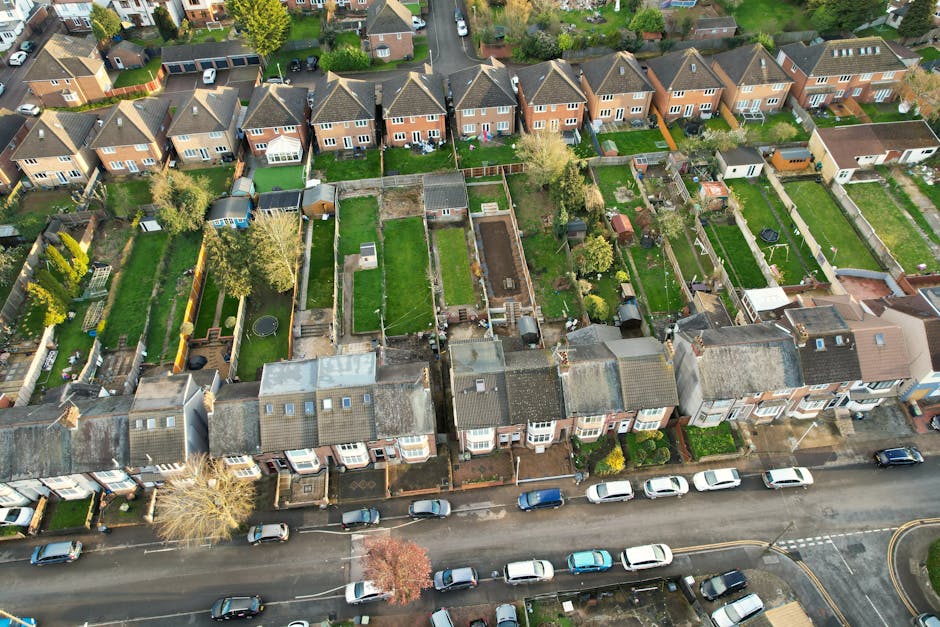
If you live on Fullwell Cross estate and your garden is starting to feel like a second job, you are not alone. Between weather swings, busy schedules, awkward corners, and the general mystery of how weeds seem to thrive when you are away for one weekend, it can be a lot. This guide on Local garden services on Fullwell Cross estate what to know walks you through the practical side of getting help: what local gardeners usually do, how the process works, what to ask before booking, and how to avoid paying for the wrong kind of visit.
The aim here is simple. You want a garden that looks cared for without turning every Saturday into a wrestling match with the lawn. So let's make this useful, clear, and a bit more real-world than the usual fluff.
Why Local garden services on Fullwell Cross estate what to know Matters
Estate gardens have their own rhythm. Spaces are often compact, shared boundaries matter, and even a small bit of neglect can make everything feel untidy fast. On Fullwell Cross estate, local garden services are not just about making things look pretty for a few days. They are about keeping the garden manageable, safe, and workable through the seasons.
That matters for a few reasons. First, regular maintenance stops small problems from turning into expensive ones. A patch of moss on a path becomes slippery. A hedge left too long starts blocking light. An untended border becomes a weed nursery, and nobody wants that. Second, local knowledge helps. A gardener who works in the area tends to understand the pace of the estate, the usual garden sizes, the common soil issues, and the kind of upkeep people actually need.
There is also the simple convenience factor. If you are trying to juggle work, family, mobility needs, or just a packed week, having someone reliable come in and do the essential jobs can be a relief. Truth be told, for a lot of people it is less about vanity and more about getting the space back under control.
Expert summary: the best local garden service is not necessarily the flashiest one. It is the one that fits your space, your schedule, and the amount of ongoing care your garden really needs.
If your garden has deeper issues like persistent weeds, boundary growth, or poor seasonal performance, it can help to read up on weed management strategies and how to bring neglected spaces back to life before you decide what level of service you need.
How Local garden services on Fullwell Cross estate what to know Works
Most local garden services follow a fairly straightforward pattern, though the exact details vary from provider to provider. It usually starts with an enquiry, then a walk-through or photo assessment, then a quote, and finally a scheduled visit or recurring maintenance plan.
For a first visit, a gardener will usually want to understand the size of the garden, the state it is in, what you want done immediately, and what should be left alone. That first conversation is important. It stops misunderstandings, which happen more often than people admit. One person says "just tidy it up," another assumes full clearance, and the results can be very different. A five-minute chat saves a lot of awkwardness.
Typical tasks may include lawn care, hedge trimming, weeding, pruning, patio cleaning, border tidy-ups, leaf clearance, and seasonal planting. Some jobs are one-off and some are regular. If you want a garden that stays neat rather than just briefly neat, recurring maintenance is often the better route.
The other thing to know is that gardeners do not all work the same way. Some focus on maintenance only. Others handle bigger improvements such as landscaping, fencing, decking, or tree-related work. That distinction matters because you do not want to book a maintenance visit and then discover you actually need a more involved project plan.
Useful related pages can help you understand the scope of what is available, especially garden maintenance, lawn care, and hedge trimming in Barkingside.
Key Benefits and Practical Advantages
There are the obvious benefits, and then there are the practical ones people only notice after a few visits. The obvious part is that the garden looks better. The practical part is that the whole space becomes easier to live with. You step outside and it feels calmer, less cluttered, less like a job waiting to happen.
- Consistency: regular visits stop jobs from piling up.
- Better plant health: trimming, feeding, and seasonal care keep plants in better shape.
- Safer outdoor spaces: reducing trip hazards, overgrowth, and slippery surfaces matters, especially in wet months.
- More usable space: once borders, paths, and lawns are sorted, you actually use the garden more.
- Better first impressions: if you care about kerb appeal, a tidy front or rear garden makes a real difference.
On smaller estate plots, good maintenance can make a modest garden feel much bigger. A neat edge, a clipped hedge line, and a clear path can do more than a pricey decorative change that leaves everything else messy.
And if your garden has shade or awkward corners, a local gardener can often recommend better planting choices rather than just forcing the same old solution. For example, shade-friendly planting and structure can help transform difficult spots, which is something you will see in practical terms from articles like revamping dark corners with evergreen climbers and ground cover ideas for UK gardens.
Who This Is For and When It Makes Sense
This kind of service makes sense for more people than you might think. It is not just for large gardens or people with big landscaping plans. In fact, estate gardens often benefit most from simple, regular attention.
You may want local garden help if:
- you do not have time to maintain the garden properly;
- the lawn is patchy, overgrown, or getting harder to manage;
- hedges and shrubs are blocking light or pushing into paths;
- you have just moved in and the outdoor space needs a reset;
- you are planning to sell or let the property and want it looking cared for;
- you have mobility or health limitations that make heavier work difficult;
- you want seasonal tidying rather than a full redesign;
- you keep starting garden jobs but never quite finish them. Happens to the best of us.
Sometimes the trigger is a practical one. Maybe the patio has gone green and slippery. Maybe the borders are full of ivy or brambles. Maybe the lawn looks tired by mid-summer. At that point, the question is not "should I get help?" but "what level of help actually solves the issue?"
For some readers, the answer is a proper one-off clean-up. For others, it is a recurring service with mowing, edging, and weeding built in. And if you are trying to keep costs sensible, it can be worth comparing a full refresh with smaller targeted jobs. A smart sequence often beats a dramatic overhaul.
Step-by-Step Guidance
If you are booking local garden services for the first time, a clear process keeps things manageable. Here is the version that tends to work best.
- Walk the garden yourself first. Note the jobs that bother you most. Be honest. Is it the lawn, the hedge, the weeds, the patio, or all of it?
- Separate essential tasks from nice-to-haves. A neat lawn is not the same as a full planting project. Prioritise.
- Take a few photos. This helps when you are explaining the job and getting an initial idea of scope.
- Ask what the service includes. Does it cover waste removal? Cutting back? Green waste bagging? Light pruning? Ask before you assume.
- Request a quote based on the actual work. Vague quotes are where surprises live.
- Check scheduling. Weekly, fortnightly, seasonal, or one-off? Match the frequency to the garden's needs.
- Agree on access and timing. If gate access, parking, or shared pathways are involved, sort that out early.
- Review the first visit. Once the work is done, check whether the finish matches what you asked for. A decent provider will welcome feedback.
It sounds simple, but these steps save time and money. And they help you judge the service by the outcome, not the sales pitch. Which is usually better, to be fair.
If the garden needs a more specialised approach, such as trees, fence lines, or hard landscaping features, then it may be sensible to look at services like tree surgery, fencing, or landscaping rather than just routine maintenance.
Expert Tips for Better Results
The difference between a garden that just gets "done" and one that genuinely improves often comes down to a few careful choices.
Start with structure before decoration. If the hedge line is messy and the lawn edge is ragged, flowers and ornaments will not fix the underlying clutter. Clean structure makes everything else look better.
Let the seasons guide your schedule. Spring and early summer are often about growth, shaping, and feeding. Late autumn and winter shift toward protection, clearance, and reducing weather damage. If you need help protecting plants when the temperature dips, see winter gardening strategies for safeguarding plants and how to protect your garden from extreme weather.
Think in layers. A good gardener often works from the biggest visual problems down to the finer details. That might mean hedge trimming first, then borders, then lawn edges, then a final tidy of paths and corners. The garden reads better when the order makes sense.
Do not ignore the less glamorous jobs. Clearing leaves, removing dead growth, and sorting weeds usually deliver more visible improvement than adding another plant. A bit dull, perhaps. Very effective, though.
Use the right service for the right job. A lawn care visit will not solve an overgrown boundary hedge. A patio clean will not rebuild a poor planting layout. It sounds obvious, but many people blur the jobs together.
If you are aiming for lower maintenance overall, a few design choices can help. Ground covers, evergreen climbers, and container planting can reduce the amount of bare soil and awkward upkeep. If that sounds useful, explore container gardening and vertical gardening ideas for compact spaces.
Common Mistakes to Avoid
Let's face it, most bad outcomes in garden care come from muddled expectations rather than bad people. Still, there are a few mistakes worth avoiding.
- Booking the wrong type of service: maintenance, clean-up, landscaping, and tree work are not interchangeable.
- Not being clear about waste removal: cuttings and debris can become a problem if nobody has agreed who takes them away.
- Letting hedges go too long: once growth gets away from you, trimming takes more time and may cost more.
- Ignoring drainage or shade issues: if the same corner keeps failing, there is usually a reason.
- Choosing only on price: the cheapest quote can turn expensive if the work is rushed or incomplete.
- Assuming every garden needs the same schedule: a small paved courtyard does not need the same care as a lawn-heavy family garden.
Another common one is wanting a full transformation from a single short visit. Sometimes that is realistic. Sometimes it is not. A good gardener will tell you when a space needs phased work. That honesty is a good sign, not a drawback.
If you are dealing with invasive growth, it is worth understanding issues like ivy before the situation spreads. See the ultimate strategy for ivy removal for a deeper practical view.
Tools, Resources and Recommendations
You do not need a van full of equipment to keep an estate garden in shape, but the right tools make a big difference. A professional gardener will usually bring their own kit, yet it helps to understand what good work often depends on.
- Secateurs and loppers for clean pruning cuts.
- Shears or hedge trimmers for shaping hedges and tidy boundaries.
- Rake and leaf tools for seasonal clearance.
- Lawn mower and edging tools for a sharper finish.
- Pressure or patio cleaning equipment where hard surfaces need attention.
- Wheelbarrow, bags, and waste handling gear for efficient clearance.
For someone managing a garden themselves between visits, it also helps to keep a few basic supplies on hand: gloves, a decent watering can or hose, compost, mulch, and a small hand trowel. Nothing glamorous. Very unglamorous, in fact. But it works.
Some useful reading can help you make better decisions before a service visit:
- top tools every garden enthusiast needs
- budget-friendly low-maintenance garden ideas
- turning garden debris into rich earth
- creating cosy outdoor nooks
If you want a provider overview before moving ahead, the company's about us page and gardening services page are sensible places to start.
Law, Compliance, Standards and Best Practice
For garden services, compliance is mostly about safety, clear work practices, and making sure the job is done responsibly. You do not need to become a legal expert, but you do want reassurance that the work is handled properly.
In the UK, a professional gardener or outdoor maintenance provider should be able to explain how they handle health and safety, waste disposal, and any work that involves tools, ladders, sharp equipment, or heavier clearance. If a job involves trees, large hedges, or awkward access, caution matters. So does clear communication. A tidy finish is good; a safe finish is better.
Best practice usually includes:
- using suitable tools for the task;
- working with clear access routes and safe positioning;
- separating light maintenance from higher-risk work;
- protecting people, pets, and property during the visit;
- agreeing how cuttings, soil, and waste will be handled;
- being upfront about limitations before the job starts.
If you are comparing providers, it is worth checking practical trust pages such as health and safety policy, insurance and safety, and terms and conditions. Those pages do not sound exciting, but they tell you a lot about how seriously a business treats its work.
Privacy, payments, and complaints also matter. A reliable provider should be clear about privacy, payment and security, and how issues are handled through the complaints procedure. That is the boring-but-good stuff. You want it there.
Options, Methods, or Comparison Table
Not every garden needs the same kind of support. Sometimes a single tidy-up is enough; other times the garden will keep sliding backward unless it gets regular attention. Here is a simple comparison to help you decide.
| Option | Best for | What it usually includes | Trade-off |
|---|---|---|---|
| One-off tidy-up | Overgrown or recently neglected gardens | Weeding, cutting back, basic clearing, lawn refresh | Looks great quickly, but can slip again without upkeep |
| Regular maintenance | Busy households and smaller estate gardens | Mowing, edging, pruning, seasonal tidying, debris removal | Requires a recurring budget, but keeps things under control |
| Seasonal work | Gardens that are mostly manageable but need spring/autumn attention | Leaf clearance, cutback, planting prep, weather-proofing | Less frequent, though less consistent visually |
| Project-based work | Spaces needing a redesign or structural changes | Planting plans, border changes, hard landscaping, fencing, tree work | More planning needed, sometimes longer lead times |
In many Fullwell Cross estate gardens, the best answer is a blend: a clean-up first, then lighter maintenance after. That way the garden gets back on track and stays there. Simple, yes. But also very effective.
Case Study or Real-World Example
A realistic example: imagine a small rear garden with a tired lawn, a hedge that has grown a little wild, some weeds at the fence line, and a patio that has gone slightly green after a damp spell. Nothing dramatic. Just one of those spaces that quietly starts to feel embarrassing every time you look at it from the kitchen window.
The owner books a local gardener for a first visit. The brief is simple: make it manageable again. The gardener starts with clearance, then trims the hedge, edges the lawn, removes obvious weeds, and cleans the patio. No fancy redesign. No unnecessary extras. Just proper order restored.
After that first session, the space looks larger, lighter, and easier to use. The owner then switches to a light maintenance plan every few weeks. That keeps the hedge in check and the lawn from becoming a problem again. A few months later, the difference is not just visual. The garden is used more often. Morning coffee outside, a short sit down after work, the sort of thing people intend to do but rarely manage until the space feels welcoming again.
That is the real value of local garden services on Fullwell Cross estate: not perfection, but consistency. A garden that works with your life instead of competing with it.
Practical Checklist
Use this quick checklist before booking or renewing a garden service.
- Have you listed the main jobs that need attention?
- Do you know whether you need a one-off visit or ongoing maintenance?
- Have you checked if waste removal is included?
- Are access, parking, and gate details clear?
- Do you understand whether the work includes pruning, hedge cutting, mowing, or just tidy-up tasks?
- Have you looked at the provider's safety and trust information?
- Have you compared the quote with the actual size and condition of the garden?
- Are there any pet, child, or neighbour considerations to mention?
- Do you know what result you want by the end of the first visit?
- Have you set a follow-up schedule if the garden needs regular care?
If you can tick most of those off, you are already ahead of the game. Seriously, that alone prevents a lot of frustration.
Conclusion
Local garden services on Fullwell Cross estate are worth understanding properly because the right support can make a small outdoor space feel calmer, cleaner, and far more usable. The key is to match the service to the job: maintenance for keeping on top of things, clean-up for neglected areas, and bigger project work when the structure itself needs attention.
What you want is not just a neat garden for one afternoon. You want a space that feels manageable next week, next month, and through the tougher weather too. That comes from clear expectations, sensible planning, and choosing a service that knows how to work with the realities of estate gardens.
Get a free quote today and see how much you can save.
And if you are still weighing it up, that is fine. A good garden is usually built one sensible decision at a time, not all at once. Sometimes the best next step is simply getting the first bit under control and feeling the relief of it.
Frequently Asked Questions
What do local garden services on Fullwell Cross estate usually include?
They commonly include lawn mowing, hedge trimming, weeding, border tidying, pruning, leaf clearance, and sometimes patio cleaning or seasonal upkeep. The exact scope depends on the provider and the condition of the garden.
How often should a garden be maintained?
That depends on how fast your garden grows and how tidy you want it to stay. Many estate gardens do well with fortnightly or monthly maintenance, while some only need seasonal visits and occasional catch-up work.
Is a one-off tidy-up enough for an overgrown garden?
Sometimes, yes. If the garden only needs a reset, a one-off visit can make a big difference. If the space is heavily neglected, though, you may need a first clearance followed by regular maintenance to keep it under control.
How do I know whether I need gardening, landscaping, or tree surgery?
Gardening and maintenance cover routine care. Landscaping is better for redesigning or changing the structure of the space. Tree surgery is for larger or riskier tree-related work. If you are unsure, ask the provider to separate the tasks clearly.
Should I clear the garden before the gardeners arrive?
You do not need to make it spotless. Just remove personal items, toys, fragile pots, or anything you do not want moved. A quick tidy helps the team get straight to the real work.
What should I ask before accepting a quote?
Ask what is included, whether waste removal is covered, how long the job is expected to take, whether materials are extra, and whether the quote is for a one-off or ongoing visit. Those questions prevent a lot of confusion later.
Can local gardeners help with weeds and ivy?
Yes, many can. Weed removal is a common part of maintenance, and some providers can also tackle invasive growth like ivy. If the growth is extensive, it may need a more specific plan rather than a quick tidy.
What if my garden has a lot of shade or awkward corners?
That is very normal on estate properties. Shade-friendly plants, ground cover, and thoughtful pruning can help. Sometimes the answer is changing what is planted, not just cutting things back harder.
Do I need a maintenance plan or just occasional visits?
If your garden gets messy quickly, a maintenance plan is usually better value and less stressful. If the space is small or slow-growing, occasional visits may be enough. The right choice depends on how much time you want to spend between visits.
How can I keep costs under control?
Be clear about priorities, combine similar tasks in one visit, and avoid letting jobs build up too long. A little regular care is often cheaper than a major rescue later on.
Are garden services safe around pets and children?
They can be, provided the work is planned carefully. Good providers should manage tools, waste, and access sensibly. If you have pets or children, mention that before the visit so the work can be organised safely.
Where can I find more information before booking?
It helps to read service pages and trust pages such as gardening services, garden maintenance, and pricing and quotes. That way you can compare what is offered before you decide.